Meet this month's single-origin
Meet our rotating single-origin, learn how we choose it, and taste what changes between pour over and espresso.

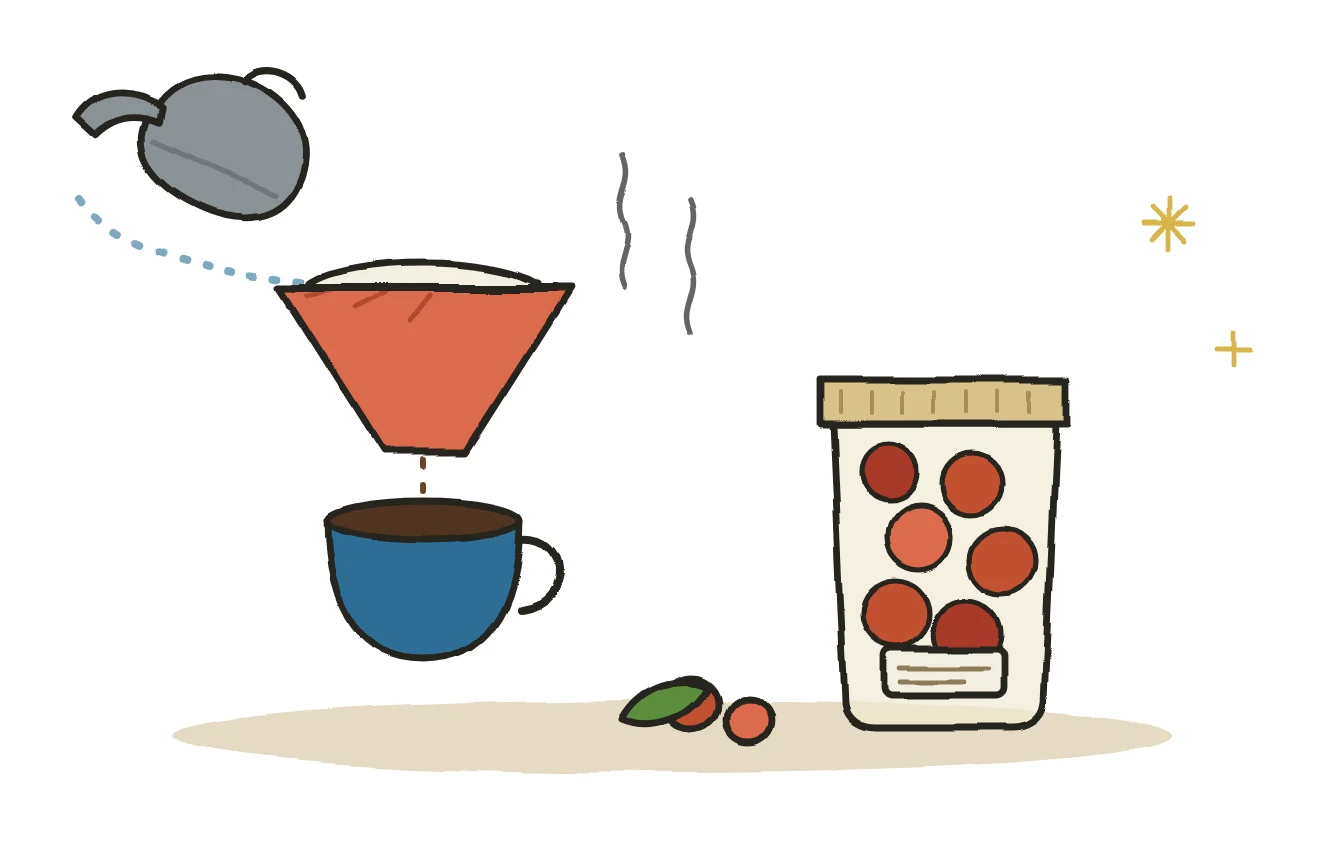
We rotate a single-origin on the pour-over bar. Each month brings a new coffee into focus, giving us time to learn what it does well and share it with you while it is here. The name changes. The invitation stays simple: slow down, take a sip, and see what you notice.
“Single-origin” means the coffee comes from one identifiable place rather than being blended with coffees from several origins. Depending on the lot, that place may be a particular region, cooperative, or farm. The point is not that single-origin coffee is automatically better. It is that the coffee carries a more specific sense of where it came from and how it was processed.
We rotate because coffee is seasonal, and because staying curious makes us better at serving it. A coffee that feels round and comforting one month might give way to something brighter the next. The rotation lets us explore without asking you to commit to a new personality.
Before a coffee reaches the bar, we cup it. Cupping is a standardized way of tasting coffee side by side: measured grounds, hot water, a little waiting, then plenty of smelling and sipping. It removes some of the variables of brewing so we can pay attention to the coffee itself.
We look for sweetness, balance, acidity, body, and a finish that makes us want another sip. We also notice how the coffee changes as it cools. Heat can keep flavors tucked together, while a cooler cup may reveal more detail. Patience earns its keep here.
Choosing the monthly coffee is not a hunt for the strangest possible tasting note. We want a cup with clarity and character, but we also want it to be pleasurable. Interesting matters. So does the very old-fashioned desire to finish the whole cup.
Once we choose a coffee, we keep tasting it. Grind size, water temperature, dose, and brew time all affect what lands in your cup. A small adjustment can bring sweetness forward or calm an edge, which is why the recipe may receive a little quiet attention behind the bar before it settles in.
Pour over is the clearest introduction. Water moves through the coffee gradually, pulling out flavors over several minutes. The result often feels open and detailed, with enough room for changes in aroma and texture to show up as the cup cools.
Espresso tells the same story in a much shorter sentence. Pressure and a concentrated brew ratio can make sweetness feel denser, acidity feel sharper, and texture become more prominent. A note that reads as delicate in a pour over might become jammy or vivid as espresso. Same bean, different conversation.
Neither method is the official correct answer. Pour over gives you time and separation. Espresso compresses the experience into a few focused sips. We enjoy seeing where a coffee feels most expressive, and sometimes the answer surprises us.
Then there are the tasting notes. You may see words such as citrus, chocolate, florals, or stone fruit used to describe coffee. These are comparisons, not added flavors, and certainly not an exam with a tiny pencil.
You do not have to taste “stone fruit” to be having a good time.
Maybe you taste something sweet but cannot name it. Maybe the cup reminds you of toast, a kitchen drawer full of spices, or absolutely nothing beyond “this is good.” All are valid responses. Tasting gets more useful when it helps you pay attention, not when it makes you doubt your own mouth.
If you want to practice, take a sip when the coffee is hot, then return to it a few minutes later. Notice whether it feels light or full, crisp or soft, familiar or unexpected. You can read the listed notes afterward and see if any connect, but there is no prize for agreement. Frankly, we have enough paperwork.
Ordering the monthly single-origin is easy. Ask at the bar for the Pour Over, and we will tell you what we are brewing that day. You can also check the menu before you visit, though the bar is the best place for the current details and a quick recommendation.
Pour over takes a little longer than a batch coffee or an espresso drink. That slower pace is part of the method, not a delay we are hoping you will politely ignore. We measure, pour, wait, and pour again. The coffee needs a minute, and we are happy to give it one.
Not ready to hand your morning over to a rotating coffee? The Plain Jane crowd is safe too. Order the drink you know, add a Butter Croissant or Morning Bun, and ask us one question about the single-origin if curiosity strikes. Coffee appreciation does not require abandoning your regular order.
If you usually drink espresso, try the monthly coffee that way when it is available and compare it with the Pour Over. If you take milk, ask how the coffee behaves before deciding. Some coffees hold their shape beautifully with milk, while others are easiest to hear on their own.
The monthly rotation gives us a shared subject to return to. You can taste it once and move along, or come back after a few weeks and notice that your impression has changed. The coffee may have settled. The recipe may have shifted slightly. You may simply be paying attention to a different part of the cup.
That is what we like most about a single-origin of the month. It makes room for specificity without demanding expertise. Come see us at 18 W Sierra Madre Blvd, any day from 7:30 to 4, and ask what is on the pour-over bar. We will brew it carefully and let the cup do the rest.